Highlighting Major Animal Cruelty Cases Worldwide

Animal cruelty is a pressing issue that affects millions of animals globally. From neglect and abuse to exploitation and illegal trade, the suffering of animals often goes unnoticed. This blog post aims to shed light on some of the most significant animal cruelty cases worldwide, raising awareness and encouraging action against these heinous acts.
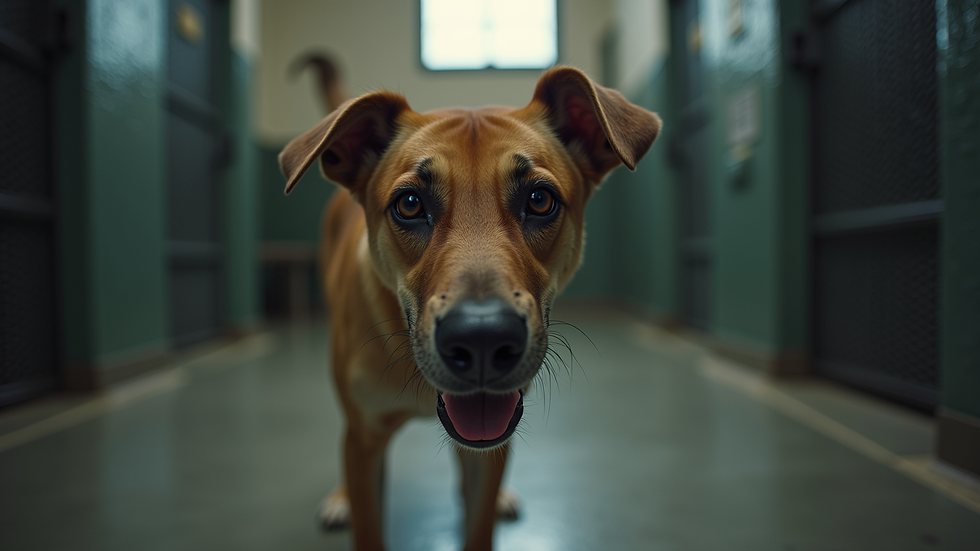
Understanding Animal Cruelty
Animal cruelty encompasses a wide range of behaviors harmful to animals, including:
Neglect: Failing to provide necessary care, food, or shelter.
Abuse: Inflicting physical harm or psychological distress.
Exploitation: Using animals for entertainment, labor, or profit without regard for their well-being.
Illegal Trade: Trafficking endangered species or using animals in illegal activities.
Understanding these categories is crucial for recognizing and addressing animal cruelty effectively.
Major Cases of Animal Cruelty
The Case of the Michael Vick Dog Fighting Ring
In 2007, former NFL quarterback Michael Vick was implicated in a dog fighting ring that operated in Virginia. The investigation revealed horrific conditions for the dogs, many of whom were subjected to brutal training methods and violence.
Outcome: Vick served 21 months in federal prison and was banned from the NFL. The case sparked a nationwide conversation about dog fighting and animal cruelty laws.
The Yulin Dog Meat Festival
Every year in Yulin, China, thousands of dogs are slaughtered for consumption during the Yulin Dog Meat Festival. The event has drawn international condemnation, with animal rights activists protesting against the inhumane treatment of dogs.
Impact: The festival has led to increased awareness of animal rights issues in China and has prompted calls for stricter animal welfare laws.
The SeaWorld Controversy
The documentary Blackfish brought to light the treatment of orcas at SeaWorld, particularly focusing on the life of Tilikum, an orca involved in multiple human deaths. The film highlighted the psychological and physical toll of captivity on these intelligent creatures.
Consequences: Following the release of Blackfish, SeaWorld faced significant backlash, leading to changes in their orca breeding program and a shift in public perception regarding marine parks.
The Horse Racing Industry
The horse racing industry has faced scrutiny for its treatment of racehorses, particularly regarding injuries and deaths on the track. High-profile cases, such as the deaths of several horses at Santa Anita Park in California, have raised questions about the ethics of horse racing.
Reforms: In response to public outcry, some states have implemented stricter regulations to protect racehorses and ensure their welfare.
The Puppy Mill Crisis
Puppy mills are commercial breeding facilities that prioritize profit over the well-being of animals. Dogs in these mills often live in overcrowded and unsanitary conditions, leading to health issues and behavioral problems.
Legislation: Many states have enacted laws to regulate puppy mills, but enforcement remains a challenge. Advocacy groups continue to push for stronger protections for breeding animals.
The Role of Legislation in Combating Animal Cruelty
Legislation plays a critical role in addressing animal cruelty. Various laws exist at local, state, and national levels to protect animals from abuse and neglect. Some key pieces of legislation include:
The Animal Welfare Act (AWA): This U.S. federal law sets standards for the treatment of animals in research, exhibition, and transport.
The Humane Slaughter Act: This law mandates humane treatment for livestock during slaughter.
State Anti-Cruelty Laws: Many states have their own laws that prohibit various forms of animal cruelty, with penalties ranging from fines to imprisonment.
Despite these laws, enforcement can be inconsistent, and many cases of animal cruelty go unpunished. Advocacy groups are essential in pushing for stronger legislation and holding offenders accountable.
The Role of Advocacy Groups
Numerous organizations work tirelessly to combat animal cruelty and promote animal welfare. Some notable groups include:
The Humane Society of the United States (HSUS): Focuses on animal protection through advocacy, education, and rescue efforts.
PETA (People for the Ethical Treatment of Animals): Advocates for animal rights and works to end animal exploitation.
ASPCA (American Society for the Prevention of Cruelty to Animals): Provides rescue services, education, and advocacy for animals in need.
These organizations play a vital role in raising awareness, providing resources, and supporting legislation to protect animals.
How You Can Help
As individuals, we can take action to combat animal cruelty in various ways:
Educate Yourself: Learn about animal welfare issues and share your knowledge with others.
Support Animal Welfare Organizations: Donate to or volunteer with organizations that work to protect animals.
Report Abuse: If you witness animal cruelty, report it to local authorities or animal control.
Advocate for Change: Support legislation that protects animals and encourages humane treatment.
Conclusion
Animal cruelty is a serious issue that requires our attention and action. By understanding the major cases of animal cruelty and the laws in place to combat it, we can work together to create a more compassionate world for all living beings. Every small action counts, and together, we can make a difference in the lives of animals suffering from cruelty and neglect.
Let’s stand up for those who cannot speak for themselves and advocate for a future where all animals are treated with the respect and kindness they deserve.
Comments